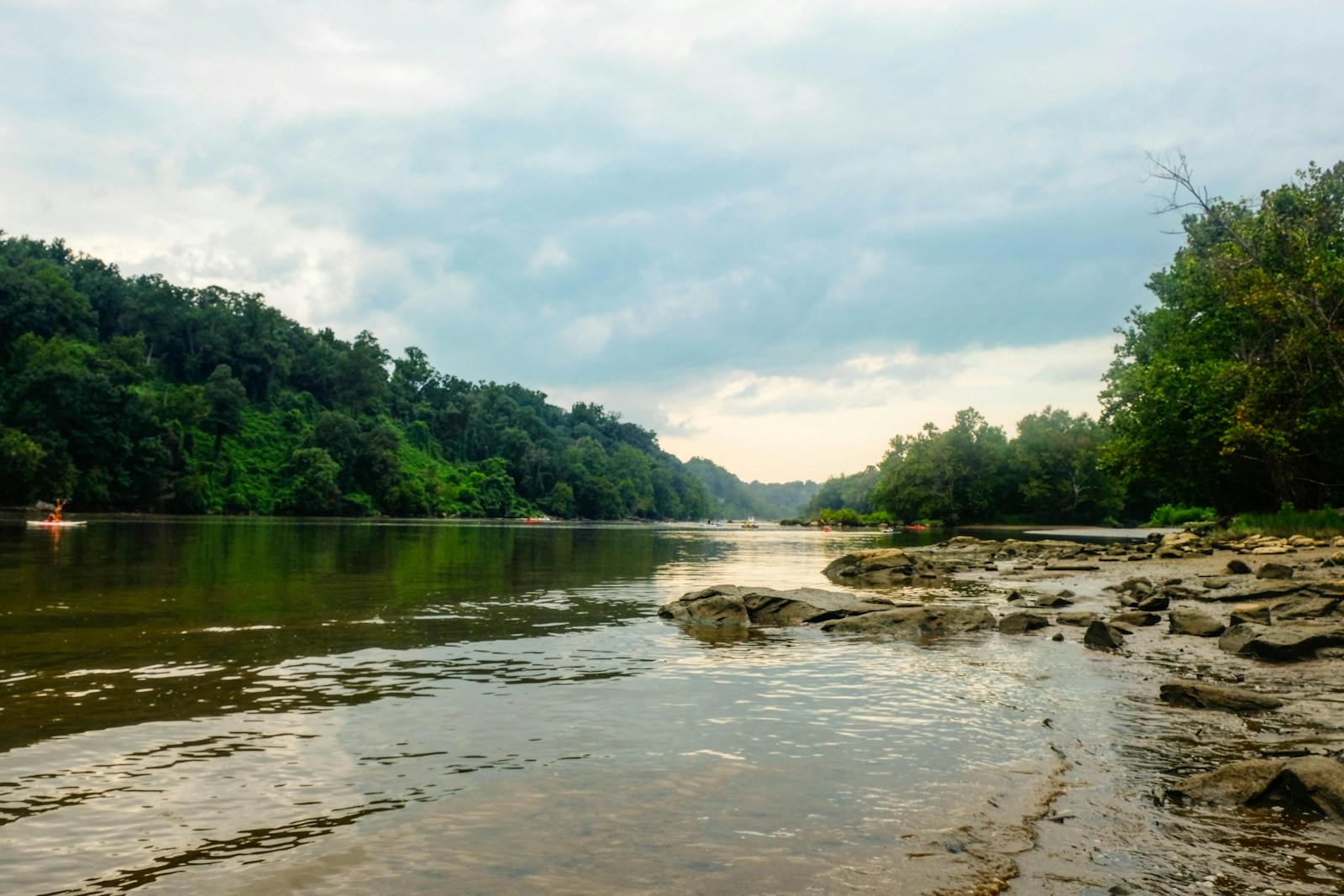

The Potomac River was named the most endangered river in the United States following a 200 to 300 million gallon sewage spill in January, the largest in U.S. history.
What’s Happening: American Rivers released its annual endangered rivers report Wednesday, ranking the Potomac River first. The January failure of the Potomac Interceptor sewage line in Montgomery County, Maryland sent untreated sewage into the river and nearby C&O Canal. The spill closed a stretch of river upstream of Washington, D.C. to all public access.
What’s Important: The Potomac River Basin provides drinking water to more than 6 million people across Maryland, Virginia, West Virginia, Pennsylvania, and Washington, D.C. The river flows over 380 miles from the Appalachian Highlands to the Chesapeake Bay. Bacteria levels near the spill site reached over 4,000 times higher than the safe recreational limit.
The Infrastructure Problem: The Potomac Interceptor sewage pipe is over 60 years old. Many wastewater pipes in and around Washington, D.C. are approaching or have passed their 50-year service life. The main drinking water collection point for Washington, D.C. is upstream of the spill and was not affected. A smaller, secondary collection point downstream of the spill was shut down and remains out of service.
The Data Center Threat: The Potomac River watershed currently has over 300 data centers. The region is on track to have about 1,000 centers occupying roughly 200 million square feet of buildings on an estimated 20,000 acres of land. Data centers require large volumes of water for cooling and energy production. Many proposed and approved facilities are located on or near contaminated sites, upstream of drinking water intakes. Projects are often reviewed individually rather than as part of a watershed-wide analysis.
What’s at Risk: The Interstate Commission on the Potomac River Basin found that a significant disruption in D.C.’s water supply could result in a loss of $15 billion in gross regional product and hundreds of millions of dollars in tax losses.
The Proposed Solutions: The State Revolving Fund bill, the main source of federal water infrastructure funding, will expire on Sept. 30, 2026. The Sewer Overflow and Stormwater Grant program also expires in September.
American Rivers is calling on Congress to reauthorize both funding bills. The organization is also calling on Virginia and Maryland to require full disclosure of water withdrawals, discharges, and stormwater management plans for all data center projects and to conduct a comprehensive environmental assessment of cumulative watershed-level impacts.