
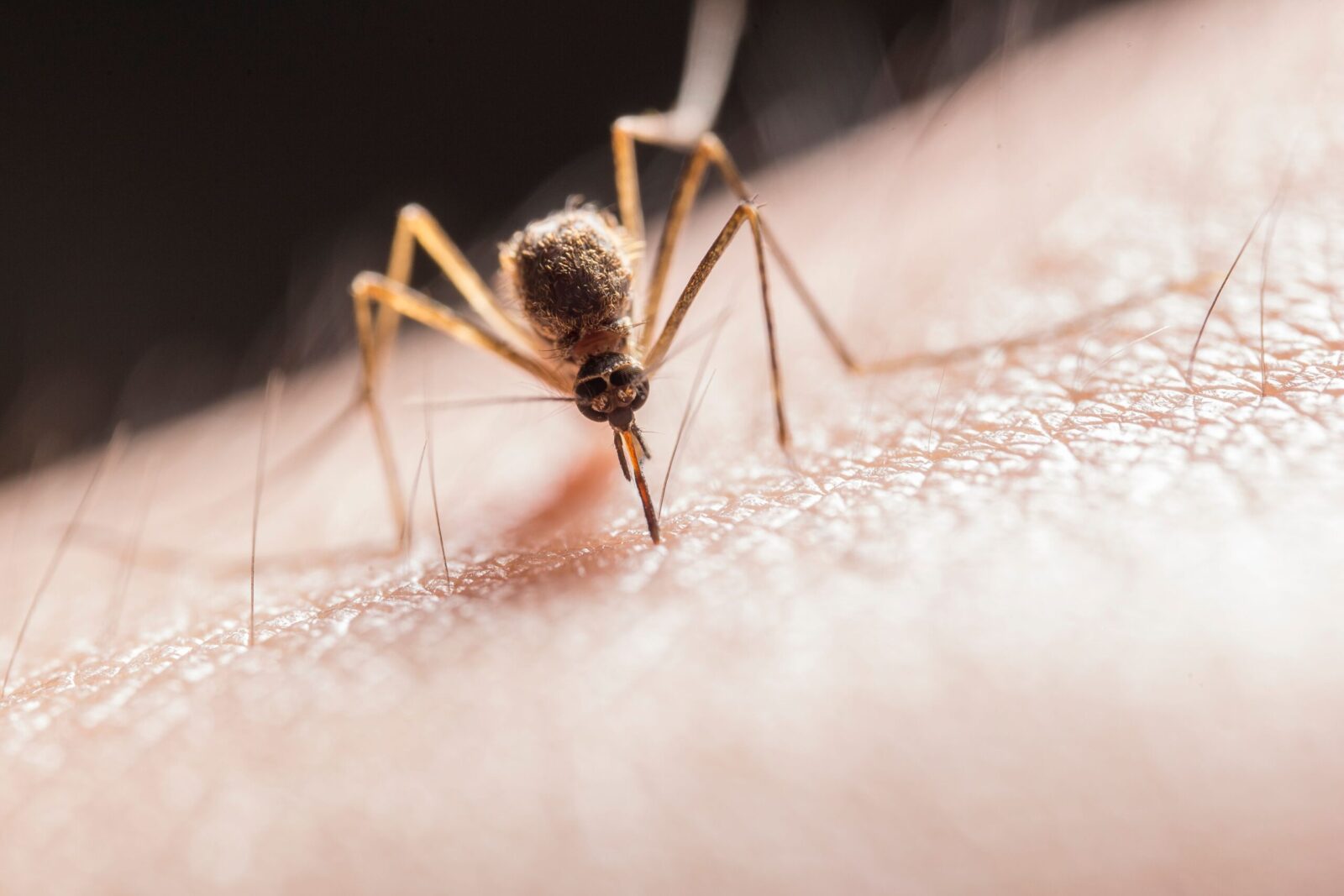

A Maryland resident in the Capital Region has tested positive for West Nile virus, the state’s first confirmed human case this year, the Maryland Department of Health announced Friday.
What’s Happening: The department will not release the patient’s identity or specific location within the Capital Region. The virus spreads to humans through the bite of a mosquito that has fed on an infected bird.
What’s Important: Up to 80% of people who contract West Nile virus never feel sick. Those who do develop symptoms may experience fever, headache, body aches, skin rash, or swollen lymph nodes — lasting anywhere from a few days to several weeks. Adults over 50 and people with weakened immune systems are most at risk for serious illness.
How This Affects Real People: Health officials are urging residents to use EPA-registered insect repellent, cover exposed skin outdoors, and clear standing water from their property. A discarded can, a clogged gutter, or a backed-up drain pipe can each support mosquito breeding.
Catch Up Quick: West Nile virus arrived in the U.S. in 1999. Last year, 23 Maryland residents tested positive. Case counts shift from season to season.
“We are in the season when the West Nile virus and other mosquito-borne viruses can spread in Maryland,” said Deputy Secretary for Public Health Services Dr. Meg Sullivan. “Your best defense against West Nile virus is to protect yourself from mosquitoes, such as using insect repellent, covering exposed skin, and eliminating standing water near your home.”
In rare cases, the virus can also spread through organ donation, blood transfusion, breastfeeding, or from a pregnant mother to her fetus.